Understanding the Types of Childhood Cancer
Knowledge is a powerful tool in the fight for recovery. By understanding the specific type of cancer a child is facing, we can better provide the specialized treatment and holistic support they need to flourish.
Understanding the Diagnosis
In children, cancer often occurs in developing tissues like the blood, bone marrow, kidneys, and nervous system. While a diagnosis is frightening, it is important to remember that childhood cancers are highly responsive to treatment. Globally and in Lesotho, 70–85% of childhood cancers are curable with early detection and the right medical care.
Common Types of Childhood Cancer
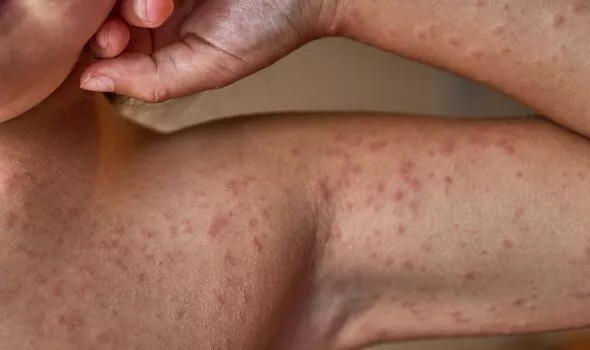
Leukaemia (Blood Cancer)
Leukaemia is the most common childhood cancer, accounting for about one-third of all cases. It starts in the bone marrow, where blood cells are made. Abnormal white blood cells multiply rapidly, "crowding out" healthy red cells and platelets.
Symptoms: Paleness (anaemia), easy bruising or bleeding, and frequent infections.
Fact: Acute Lymphoblastic Leukaemia (ALL) is the most frequent form and is highly treatable.
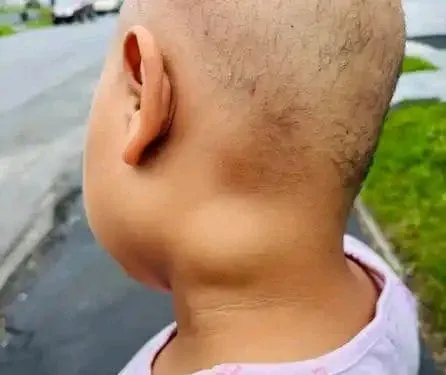
Lymphoma
This cancer begins in the lymphatic system, which is part of the body's immune defense. It affects infection-fighting cells called lymphocytes, which can be found in the lymph nodes, spleen, and bone marrow.
Types: The two main types are Hodgkin Lymphoma and Non-Hodgkin Lymphoma.
Symptoms: Swollen glands (painless lumps) in the neck, armpit, or groin, often accompanied by night sweats or weight loss.
Brain and Central Nervous System Tumors
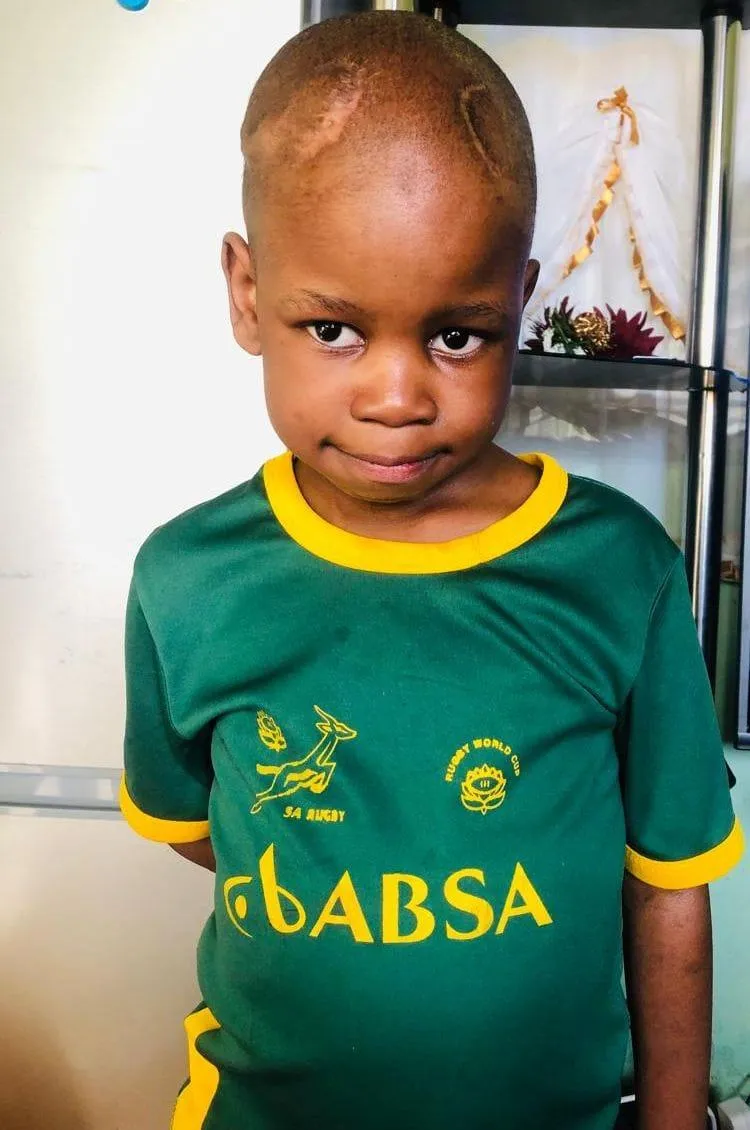
These are masses of abnormal cells that grow in the brain or surrounding tissues. They can be benign (non-cancerous) or malignant (cancerous), but both require specialized care because of their location.
Symptoms: Persistent headaches (especially in the morning), nausea, vomiting, or changes in balance and walking.
Wilms Tumor (Nephroblastoma)
A Wilms tumor is a type of kidney cancer that almost exclusively affects children, usually before the age of five.
Symptoms: Most children present with a hard, painless lump or swelling in the abdomen.
Hope: This is one of the most curable forms of childhood cancer when caught in its early stages.
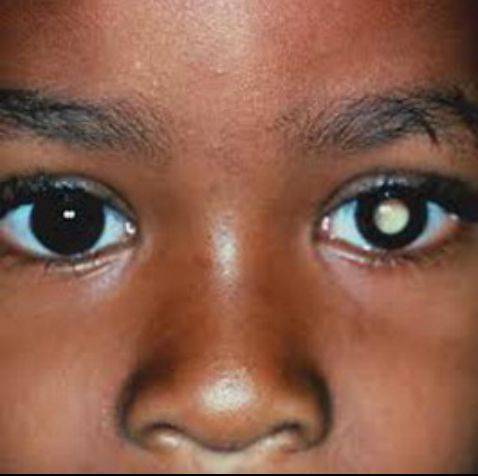
Retinoblastoma (Eye Cancer)
This rare cancer of the eye typically affects infants and very young children.
Key Sign: A white glow or "cat’s eye" reflection in the pupil, often noticed in flash photography or dim light.
Importance: Early diagnosis is vital to save the child’s sight and life.
Bone Cancers (Osteosarcoma)
Most common during the growth spurts of adolescence, these cancers develop in the bones, often around the knee or upper arm.
Symptoms: Persistent bone pain that may worsen at night or during activity, and unexplained swelling.
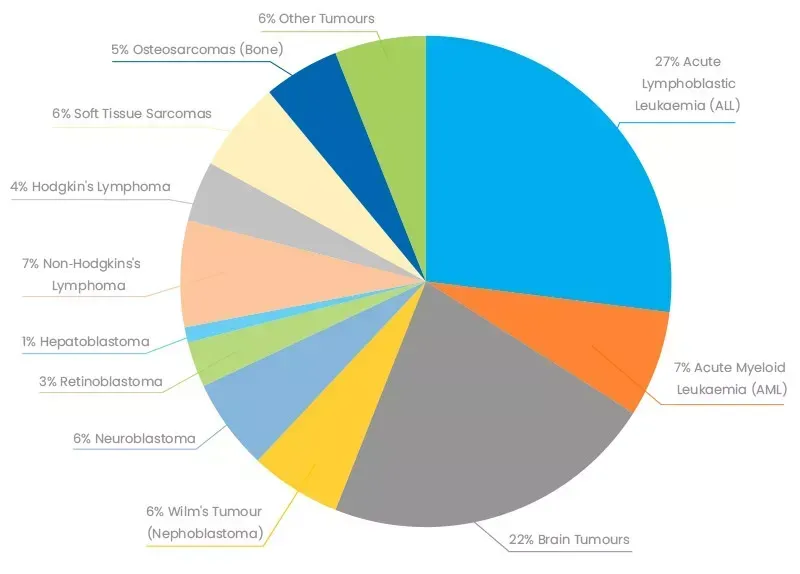
According to WHO, the five foremost childhood cancers in Lesotho are:
Leukaemia
Lymphoma (tumors that begin in the lymph glands)
Brain tumors
Nephroblastoma's or Wilms tumors – cancer of the kidneys
Soft tissue sarcomas (tumors that begin in the connective tissue)
How CCO Supports the Journey
At the Childhood Cancer Organisation, we bridge the gap between diagnosis and survival for 53 Young Warriors in Lesotho.
Logistical Care
The CCO makes sure to provide the transport and meals necessary for children to reach their life-saving treatments.
Specialized Referral
Through our MOU with the Ministry of Health, we facilitate the pathway to specialized treatment centers, including those in Bloemfontein.
Psychosocial Support
Every child is more than their diagnosis. We celebrate their milestones and provide counseling to keep hope alive.
1. What is childhood cancer, and how is it different from adult cancer?
Childhood cancer is a disease of the body’s cells that develops in growing tissues like blood, bone marrow, and kidneys. Unlike adult cancers, childhood cancer is not lifestyle-related (it is not caused by smoking, diet, or environment) and often responds much better to treatment because children’s bodies have a higher capacity for healing.
2. Is childhood cancer curable?
Yes. With early detection and specialized medical care, 70–85% of childhood cancers are curable. Our mission at CCO is to bridge the gap between diagnosis and survival so that every "Young Warrior" in Lesotho has the chance to thrive.
3. What are the "St. Siluan" Early Warning Signs?
The St. Siluan signs are a life-saving checklist to help you spot potential symptoms. They include:
S – Seek medical help for persistent symptoms.
I – Eye changes (white spots or new squints).
L – Lumps or unexplained swellings.
U – Unexplained fever, weight loss, or bruising.
A – Aching bones or joints.
N – Neurological signs (changes in balance or speech).
4. Is childhood cancer contagious?
No. Childhood cancer is not a "catchable" disease. It is safe and encouraged to hug, play with, and support children undergoing treatment. It is also not caused by "bad luck" or "punishment"—it is a biological medical condition.
5. Does CCO provide medical treatment?
CCO does not provide medical treatment directly. Instead, we work through a formal MOU with the Ministry of Health to support the child’s medical journey. We focus on holistic care, providing the logistical, emotional, and financial support families need to access specialized oncology services.
6. How does CCO support families traveling for treatment?
Many children in Lesotho require specialized care at centers in Bloemfontein, South Africa. CCO provides essential transport and lunch packages for these trips to ensure that no child misses a life-saving appointment due to financial barriers.
7. Who is eligible for support from CCO?
We support children under the age of 16 in Lesotho who have been diagnosed with cancer or life-threatening blood disorders. Currently, we are walking the journey with 53 brave children and their families.
8. How can I refer a child to CCO?
If a child shows persistent warning signs, they should first visit their local clinic or doctor. Once a potential case is identified, the medical team will follow the referral pathway to specialized care. Parents or health workers can contact CCO directly to begin receiving logistical and emotional support during this transition.
9. Why is early detection so important?
Early detection is the single most important factor in survival. When cancer is caught in its early stages, it is less likely to have spread, making treatment more effective and less invasive. Our outreach campaigns aim to move children from "late-stage" diagnosis to "early-stage" healing.
10. How can I help Lesotho’s Young Warriors?
There are three main ways to join our mission:
Donate: Funds go directly to transport, nutritious meals, and emotional care.
Partner: We welcome corporate and institutional collaborations.
Volunteer: Share your professional skills or your voice to spread awareness in your community.
At CCO, we are committed to nurturing the hope and well-being of Lesotho’s Young Warriors. We are honored to be a part of their path to recovery. Stay connected with us for vital early detection tips, survivor stories, and updates on how we are bringing hope, one child at a time.
Quick Links
Resources
Connect With Us
© CCO. 2026. All Rights Reserved.